color and light by james gurney pdf
James Gurney’s “Color and Light” is a foundational text for artists‚ dissecting visual perception. It’s a comprehensive guide‚ often sought as a PDF‚ exploring how light and color interact to create compelling imagery.
Overview of the Book’s Significance
James Gurney’s “Color and Light” transcends a typical art instruction manual; it’s a rigorous examination of visual principles. Frequently downloaded as a PDF‚ the book bridges the gap between artistic intuition and scientific understanding of light behavior. Gurney meticulously analyzes how light reflects‚ refracts‚ and transmits‚ impacting color perception.
Its significance lies in providing a common visual language for artists across disciplines – illustration‚ painting‚ animation‚ and even game development. The book’s detailed explanations and illustrative examples empower artists to render light and color with greater accuracy and expressiveness‚ elevating their work beyond mere representation.
Target Audience and Scope
“Color and Light” by James Gurney‚ readily available as a PDF‚ caters to a broad audience – from aspiring art students to seasoned professionals. While accessible to beginners‚ its depth appeals to those seeking a thorough understanding of visual principles. The book isn’t limited to a specific medium; its concepts apply equally to traditional painting and digital art workflows.
The scope is remarkably comprehensive‚ covering color theory‚ atmospheric perspective‚ material rendering‚ and the subtleties of light and shadow. Gurney’s approach is grounded in observation and scientific accuracy‚ making it a valuable resource for anyone striving for realism and visual coherence in their artwork.

Understanding Color Theory in “Color and Light”
James Gurney’s “Color and Light” (often found as a PDF) meticulously explains color relationships‚ emphasizing value‚ saturation‚ and hue for impactful artistic expression.
The Color Wheel and Color Relationships
Gurney’s exploration of the color wheel‚ detailed within “Color and Light” (available as a PDF)‚ isn’t merely about its structure‚ but understanding how colors interact. He emphasizes that colors aren’t isolated entities; their relationships define visual harmony or discord. Primary‚ secondary‚ and tertiary colors are presented not as rigid categories‚ but as points on a continuum.
He delves into how complementary colors heighten each other’s intensity‚ while analogous schemes offer subtle cohesion. Understanding these relationships‚ as Gurney illustrates‚ is crucial for artists aiming to evoke specific moods and create believable illusions of light and form; The book provides practical exercises to internalize these principles.
Complementary‚ Analogous‚ and Triadic Color Schemes
James Gurney’s “Color and Light” (often accessed as a PDF) meticulously breaks down color schemes. Complementary schemes – opposites on the wheel – create vibrant contrast‚ demanding attention. Analogous schemes‚ using neighboring colors‚ offer harmony and subtlety‚ ideal for serene scenes. Triadic schemes‚ utilizing evenly spaced colors‚ provide balance with a touch of dynamism.
Gurney doesn’t simply define these schemes; he explains why they work‚ linking them to perceptual psychology. He demonstrates how manipulating these relationships impacts a painting’s mood and readability. The book’s examples showcase masterful application‚ inspiring artists to experiment and refine their color choices.
Value‚ Saturation‚ and Hue – Gurney’s Emphasis
James Gurney’s “Color and Light” (widely available as a PDF) prioritizes understanding value – the lightness or darkness of a color – as foundational. He argues that strong value structure is more crucial than accurate hue. Saturation‚ or color intensity‚ is then explored‚ demonstrating how it affects visual impact and depth. Hue‚ the pure color itself‚ is considered last‚ a refinement built upon solid value and saturation control.
Gurney stresses that manipulating these three elements allows artists to create convincing illusions of form and light‚ even with a limited palette. He provides practical exercises to train the eye to perceive these qualities accurately.
Light and Shadow as Described by Gurney
Gurney’s “Color and Light” (often found as a PDF) meticulously details how light behaves‚ focusing on reflection‚ refraction‚ and shadow formation for realistic depictions.
The Behavior of Light – Reflection‚ Refraction‚ and Transmission
James Gurney’s “Color and Light‚” readily available as a PDF‚ dedicates significant attention to understanding how light interacts with surfaces. He explains reflection as light bouncing off‚ determining an object’s visible color. Refraction details light bending when passing through transparent materials like glass‚ creating distortions.
Transmission describes light passing through an object‚ influencing its transparency or translucency. Gurney emphasizes that these aren’t isolated events; they often occur simultaneously‚ creating complex visual effects. He illustrates these principles with practical examples‚ aiding artists in accurately portraying realistic light interactions within their artwork. Mastering these concepts is crucial for believable rendering.
Core Shadow‚ Reflected Light‚ and Form Shadow
James Gurney’s “Color and Light” – often accessed as a PDF – meticulously breaks down shadow types. The core shadow is the darkest part of an object‚ directly shielded from the light source. Reflected light bounces into the shadow areas‚ softening them and revealing form.
Form shadow describes the gradual transition from light to core shadow‚ defining the object’s three-dimensional shape. Gurney stresses that shadows aren’t simply dark areas; they contain subtle color variations. Understanding these nuances is vital for creating depth and realism in paintings‚ as detailed within the book’s insightful explanations.
Understanding Ambient Occlusion and its Visual Impact
James Gurney’s “Color and Light” – frequently studied via PDF – explains ambient occlusion as the subtle darkening in crevices and tight spaces. This effect occurs because these areas receive less indirect light‚ creating a sense of grounding and solidity. Gurney emphasizes that it’s not merely a shading technique‚ but a natural phenomenon of light interaction;
Visually‚ ambient occlusion enhances the perception of depth and form‚ making objects appear more convincingly integrated into their environment. Mastering this principle‚ as detailed in the book‚ is crucial for achieving realistic and believable lighting in artwork‚ adding a layer of visual complexity.
Color Perception and Atmospheric Effects
James Gurney’s “Color and Light” PDF details how our eyes adjust to color constancy‚ and how atmospheric perspective alters color temperature‚ impacting visual depth.
Color Constancy and How the Eye Adjusts
Gurney’s “Color and Light” PDF profoundly explains color constancy – the brain’s remarkable ability to perceive colors as relatively stable under varying illumination. Despite shifts in light source‚ we generally see a red apple as red‚ not as the changing wavelengths dictate.
The eye dynamically adjusts through mechanisms like chromatic adaptation‚ discounting illumination to maintain consistent color perception. This isn’t a perfect system; strong color casts can overwhelm it. Understanding this process is crucial for artists aiming for realistic depictions‚ as it informs how colors appear in different environments and lighting conditions‚ as detailed within the book’s insightful pages.
Aerial Perspective and Color Temperature Shifts
James Gurney’s “Color and Light” PDF dedicates significant attention to aerial perspective‚ detailing how atmosphere alters color and value over distance. As objects recede‚ they appear lighter in value and cooler in color temperature due to atmospheric scattering.
Warm colors (reds‚ oranges) are scattered more readily‚ causing distant objects to lean towards blues and violets. This effect isn’t merely a value shift; it’s a fundamental change in hue. Mastering this principle‚ as Gurney illustrates‚ is vital for creating believable depth and atmospheric realism in paintings and illustrations‚ enhancing the illusion of space.
The Influence of Light Source on Color Appearance
James Gurney’s “Color and Light” PDF profoundly emphasizes that color isn’t inherent to an object‚ but a result of the light illuminating it. Different light sources – sunlight‚ candlelight‚ artificial light – possess unique color temperatures and spectral distributions.
These variations dramatically affect how we perceive color. A red object under warm light will appear brighter and more saturated than under cool light. Gurney meticulously explains how to analyze light sources and accurately depict their impact on color‚ crucial for achieving realistic and convincing color harmonies in artwork.

Practical Applications of Gurney’s Principles
Gurney’s “Color and Light” PDF translates theory into practice‚ offering techniques for color mixing and rendering materials realistically‚ enhancing visual storytelling powerfully.
Color Mixing Techniques – Subtractive vs. Additive
James Gurney’s “Color and Light” PDF meticulously details subtractive and additive color mixing. Subtractive mixing‚ used with pigments like paints‚ involves removing wavelengths of light as colors are combined – resulting in darker hues. Think of mixing paints; more colors added lead to darker shades. Conversely‚ additive mixing‚ employed with light sources‚ builds color by adding wavelengths‚ creating brighter results.
Screens utilize additive mixing (Red‚ Green‚ Blue – RGB). Gurney emphasizes understanding how these systems differ‚ impacting color choices and rendering. He illustrates how layering transparent colors acts subtractively‚ while layering light sources is additive. Mastering this distinction is crucial for achieving realistic and vibrant color in artwork‚ whether traditional or digital.
Rendering Materials – Metallic‚ Glass‚ and Organic Surfaces
James Gurney’s “Color and Light” PDF dedicates significant attention to material rendering. He explains that metallic surfaces reflect a broad spectrum of light‚ appearing colorful due to environmental reflections‚ not inherent pigment. Glass‚ conversely‚ transmits and refracts light‚ creating highlights and distortions. Organic surfaces‚ like skin or leaves‚ scatter light diffusely‚ resulting in softer‚ less specular reflections.
Gurney stresses observing how light interacts uniquely with each material. He details techniques for depicting accurate highlights‚ shadows‚ and subsurface scattering. Understanding these principles‚ as outlined in the book‚ is vital for convincingly portraying diverse textures and surfaces in any artwork‚ enhancing realism and visual depth.
Color Scripting for Visual Storytelling
James Gurney’s “Color and Light” PDF extends beyond technical aspects‚ delving into color’s narrative power. He advocates for “color scripting”—consciously planning color palettes to evoke specific moods and guide the viewer’s eye. Warm colors often signify energy or danger‚ while cool tones suggest calmness or sadness.
Gurney illustrates how shifting color temperature and saturation can dramatically alter a scene’s emotional impact. A carefully constructed color script reinforces the story’s themes and enhances character development. Mastering this technique‚ detailed within the book‚ elevates artwork from visually appealing to profoundly communicative‚ creating a richer viewing experience.
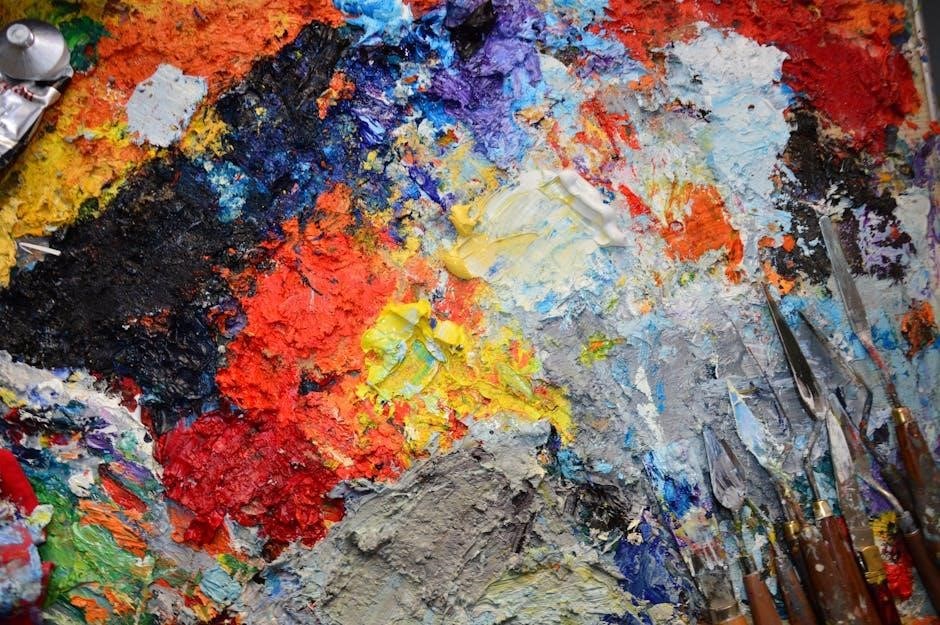
Digital Implementation of Color and Light
James Gurney’s principles translate seamlessly to digital art‚ utilizing tools like hexadecimal color codes and palettes. The PDF guides artists in achieving accurate color representation on screen.
Hexadecimal Color Codes and Color Selection Tools
James Gurney’s teachings become powerfully practical within digital environments‚ where precise color control is paramount. Hexadecimal color codes – like those used in web design – offer a standardized way to define and replicate colors. Understanding these codes‚ often referenced when studying the “Color and Light” PDF‚ allows for consistent color application across various software platforms.
Digital art programs boast sophisticated color selection tools‚ including color pickers‚ sliders for hue‚ saturation‚ and value‚ and even color wheels mirroring Gurney’s foundational concepts. These tools empower artists to experiment with color relationships and accurately translate Gurney’s insights into their digital artwork‚ enhancing visual fidelity and storytelling.
Color Palettes and Their Management in Digital Art
Effective color palette management is crucial when applying James Gurney’s principles digitally‚ especially when referencing a “Color and Light” PDF for guidance. Digital art software allows artists to create‚ save‚ and organize custom palettes‚ mirroring Gurney’s emphasis on thoughtful color selection. Programs like Aseprite facilitate palette switching‚ enabling exploration of diverse color schemes.
Careful palette construction ensures visual harmony and reinforces the narrative intent. Artists can build palettes based on color relationships – complementary‚ analogous‚ or triadic – as Gurney details. Managing palettes efficiently streamlines the workflow and promotes consistency throughout a project‚ translating theoretical knowledge into compelling visual results.
HDR Color Profiles and Accurate Display Calibration
Accurate color representation is paramount when implementing James Gurney’s “Color and Light” teachings‚ particularly when studying a PDF version. High Dynamic Range (HDR) color profiles expand the range of colors and luminance‚ demanding precise display calibration. Windows settings require careful adjustment for color-accurate HDR OLED displays.
Programs creating HDR content embed color profiles‚ ensuring correct display on compatible monitors. Without calibration‚ colors can appear washed out or inaccurate‚ undermining Gurney’s principles. Proper calibration guarantees the fidelity of color perception‚ allowing artists to faithfully reproduce the nuances of light and shadow as described in the book.
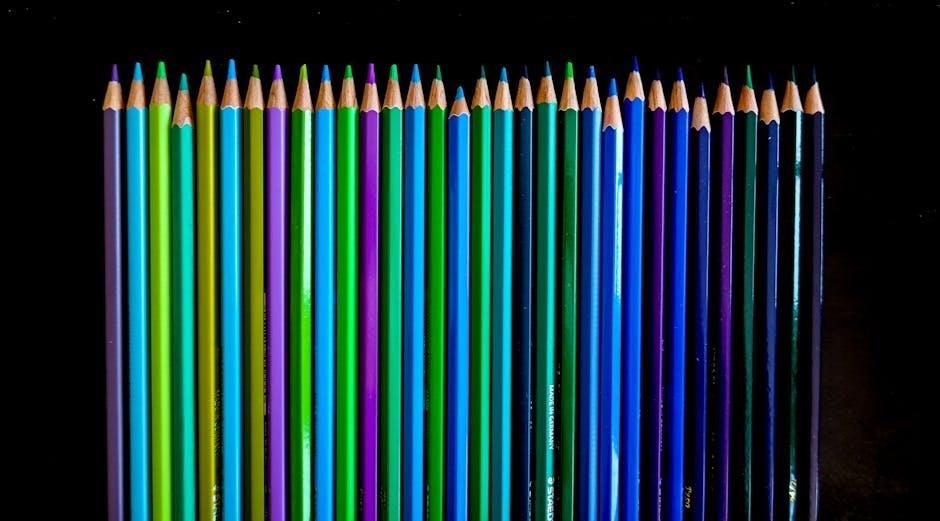
Color and Ghost Color Codes (Specific Examples)
Ghost color codes‚ like JJOswaldred (7 4 3) and all-black (0 0 0)‚ offer unique visual effects‚ explored even when studying a “Color and Light” PDF.
JJOswaldred Ghost Color Codes – Detailed Breakdown
JJOswaldred‚ a notable ghost color code‚ is represented as 7 4 3. This specific combination creates a distinct‚ muted appearance often utilized for spectral or ethereal effects within visual designs. Understanding these codes‚ even while referencing resources like a “Color and Light” PDF‚ allows artists to precisely control the aesthetic of ghostly figures. The values influence transparency and hue‚ resulting in a unique visual signature. Analyzing this code alongside Gurney’s principles reveals how subtle color shifts impact perceived form and depth‚ enhancing the illusion of otherworldly presence. It’s a fascinating intersection of technical specification and artistic application.
All Black Ghost Color Codes – 0 0 0
The color code 0 0 0 signifies complete blackness‚ representing the absence of light and color. In the context of “ghost” variations‚ this code denotes a fully opaque‚ non-reflective entity. While seemingly simple‚ this choice dramatically impacts visual storytelling. Referencing resources like a “Color and Light” PDF by James Gurney highlights how even the lack of color contributes to form and mood. A black ghost suggests solidity or a powerful‚ consuming presence‚ contrasting with lighter‚ more ethereal shades. It’s a stark example of how fundamental color principles shape perception.
Seasonal Color Analysis and its Relevance
Seasonal color theory‚ reminiscent of 1980s style guides‚ informs character design by aligning palettes with perceived “seasons‚” enhancing visual harmony and impact.
Spring‚ Summer‚ Autumn‚ Winter Color Seasons
Seasonal color analysis categorizes individuals—and by extension‚ characters—into four primary palettes: Spring‚ Summer‚ Autumn‚ and Winter. Spring features warm‚ bright‚ and delicate colors‚ mirroring new growth. Summer embodies soft‚ cool‚ and muted tones‚ reminiscent of hazy days. Autumn showcases rich‚ warm‚ and earthy hues‚ evoking falling leaves.
Winter presents strong‚ cool‚ and high-contrast colors‚ like a crisp winter landscape. Applying these principles‚ informed by resources like James Gurney’s “Color and Light” (often found as a PDF)‚ allows artists to create characters whose coloring feels inherently harmonious and visually striking‚ enhancing believability and storytelling.
Applying Seasonal Color Theory to Character Design
Integrating seasonal color theory into character design elevates visual storytelling. A “Summer” character might feature ash blonde hair‚ blue eyes‚ and muted clothing‚ conveying gentleness. Conversely‚ a “Winter” character could boast dark hair‚ striking eyes‚ and bold attire‚ projecting power.
Understanding these palettes‚ as detailed in resources like James Gurney’s “Color and Light” (available as a PDF)‚ allows for nuanced character creation. Thoughtful color choices reinforce personality and narrative‚ creating instantly recognizable and memorable figures within a visual world.