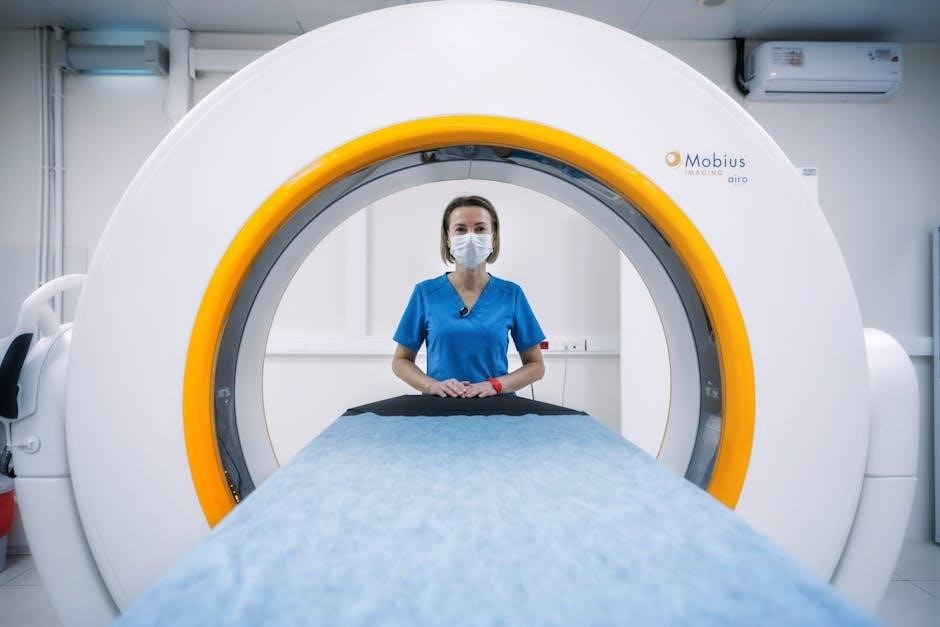
mri guided breast biopsy cost
MRI-Guided Breast Biopsy Cost: A Comprehensive Overview (Updated February 18, 2026)
Recent advancements, like those in the national capital’s cancer center, highlight the need for accurate breast cancer detection,
with MRI-guided biopsies becoming increasingly important․
Costs vary significantly, influenced by facility, radiologist expertise, and potential anesthesia needs,
ranging from several hundred to over a thousand dollars,
and potentially requiring insurance pre-authorization for coverage․
MRI-guided breast biopsy represents a crucial advancement in diagnostic radiology, particularly given that mammography can miss 10-20% of breast cancers․ This technique utilizes magnetic resonance imaging (MRI) to precisely locate and sample suspicious breast tissue․ Understanding the associated costs is paramount for patients․ While MRI offers superior accuracy, it generally comes with a higher price tag compared to other biopsy methods like ultrasound or CT scans․ Factors influencing the final cost include facility fees, radiologist expertise, and whether anesthesia is required․
II․ Understanding the Need for MRI-Guided Biopsy
The necessity for an MRI-guided biopsy often arises when other imaging techniques, like mammography, yield inconclusive results or identify lesions difficult to assess with ultrasound․ MRI’s ability to visualize soft tissues with greater detail makes it invaluable for detecting small or hidden cancers․ However, this advanced technology translates to higher costs․ Patients should be aware that dynamic MRI scans, while diagnostically valuable, can contribute to increased expenses due to longer scan times and specialized expertise needed for interpretation․
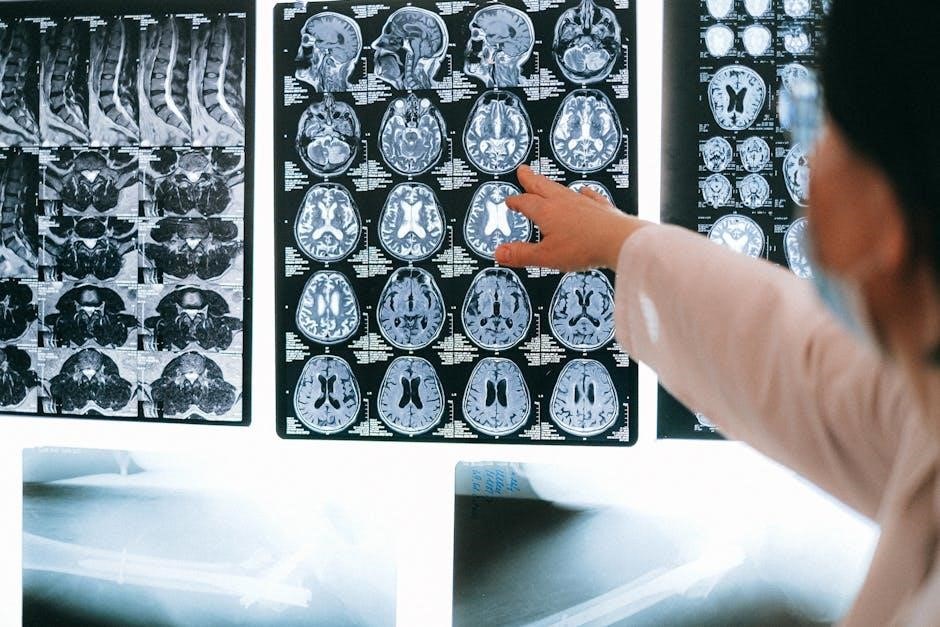
III․ How MRI-Guided Breast Biopsy Differs from Other Biopsy Methods
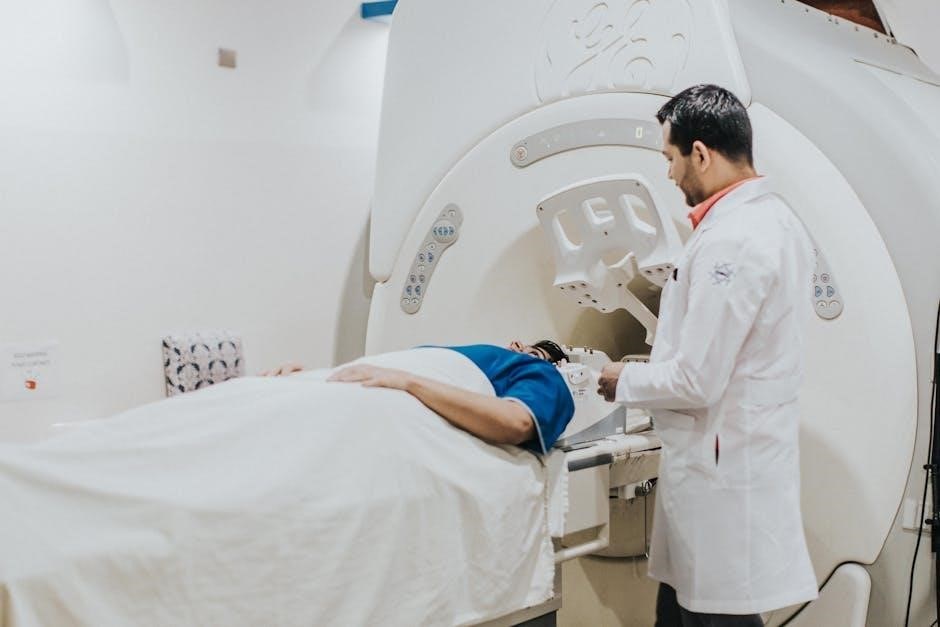
MRI-guided biopsies generally represent a higher cost compared to ultrasound or stereotactic biopsies due to the advanced technology and specialized expertise required․ While CT scans offer faster imaging, MRI provides superior soft tissue contrast, justifying the expense for certain cases․ The longer scan times associated with MRI, and potential need for repeat scans if a patient cannot remain still, also contribute to the overall financial burden․ Choosing the right method impacts both accuracy and cost․
III․A․ Comparison with Ultrasound-Guided Biopsy
Ultrasound-guided biopsies are typically less expensive than MRI-guided procedures, often costing several hundred dollars less․ However, ultrasound’s accuracy is limited by breast density and lesion size․ MRI excels in detecting smaller, hidden cancers that ultrasound might miss, potentially avoiding costly future treatments․ While ultrasound offers real-time imaging, the increased diagnostic confidence of MRI can justify its higher price point, especially for complex cases or dense breast tissue․
III․B․ Comparison with Stereotactic Biopsy
Stereotactic biopsies generally fall in a mid-range cost bracket, often less than MRI but more than ultrasound․ They utilize X-rays for guidance, offering good accuracy for calcifications․ However, MRI provides superior soft tissue contrast, crucial for evaluating lesions not visible on mammograms․ While stereotactic biopsies are faster, MRI’s comprehensive imaging can reduce the need for repeat biopsies, potentially offsetting the initial higher cost through improved diagnostic certainty and reduced anxiety․
IV․ The MRI-Guided Breast Biopsy Procedure: A Step-by-Step Guide
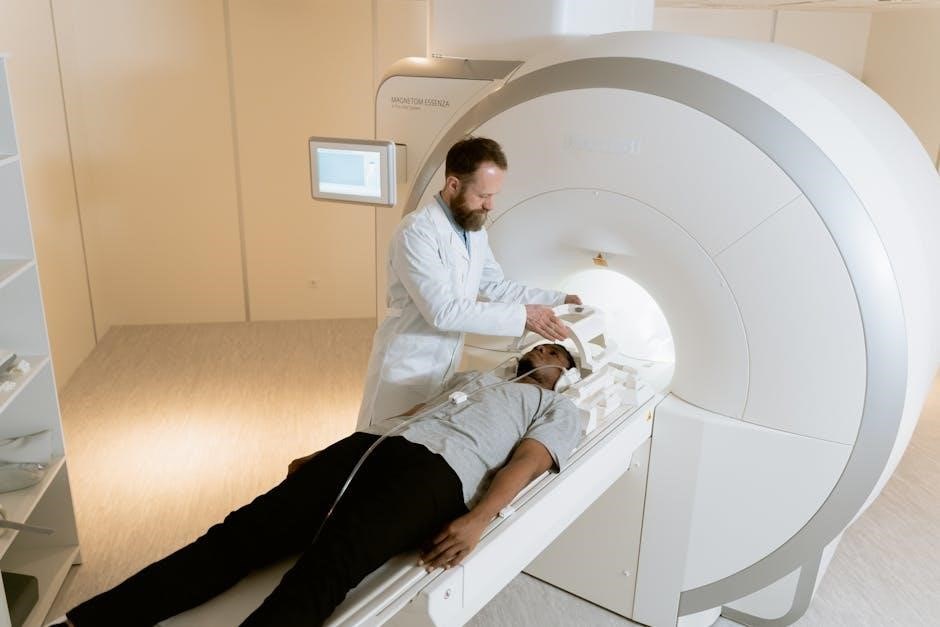
The procedure’s cost is impacted by its complexity and duration․ MRI scans are longer than other imaging modalities, increasing facility and technologist fees․ Patient preparation, the scan itself, and post-biopsy care all contribute․ Anesthesia, if required, adds to the expense․ The need for specialized MRI coils and experienced radiologists further influences the overall cost, potentially ranging from $1,500 to $3,500 or more depending on location and facility․
IV․A․ Patient Preparation Before the Biopsy
Pre-biopsy preparation costs are relatively minor but contribute to the total expense․ Removing all metal objects is crucial for safety, incurring no direct cost․ However, pre-procedure consultations with a physician, potentially involving additional fees, are standard․ Ensuring patient calmness, vital for image quality, doesn’t add a financial burden but highlights the importance of a thorough explanation of the process, potentially increasing consultation time and cost slightly․
IV․B․ The Biopsy Process During the MRI Scan
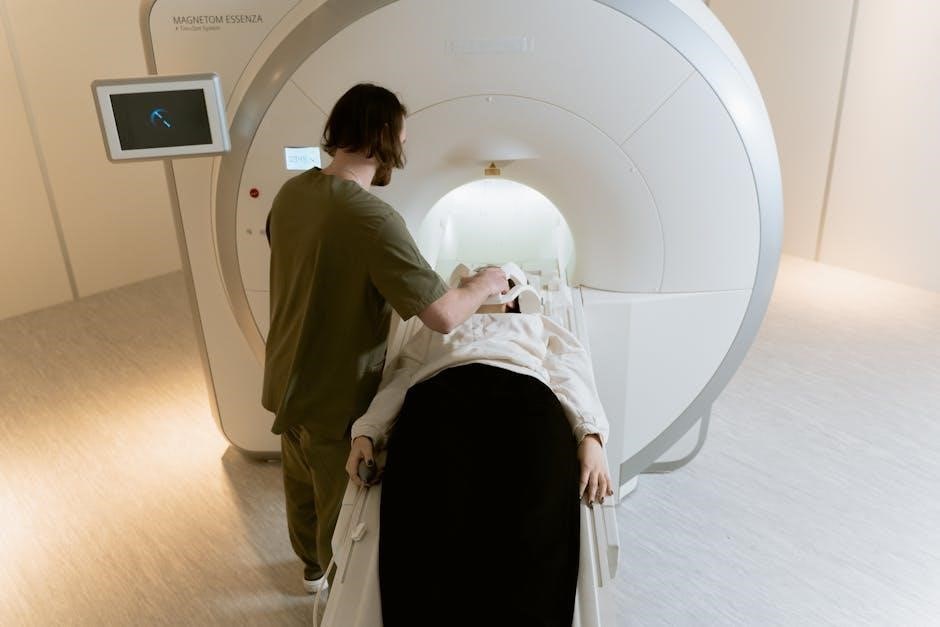
The core cost during the MRI-guided biopsy lies within the scan time and specialized equipment usage․ Longer scan times, due to factors like patient movement or breathing difficulties, can increase facility fees․ Utilizing advanced MRI coil technology, crucial for image quality, adds to the overall expense․ While the scan itself doesn’t have a separate cost, its duration directly impacts the radiologist’s time and facility charges, contributing significantly to the final bill․
IV․C․ Post-Biopsy Care and Recovery
Post-biopsy costs are generally lower but should be considered․ Follow-up appointments with the radiologist or surgeon to discuss pathology results contribute to the total expense․ While typically minor, potential complications like bleeding or infection, though rare, could necessitate additional medical visits and treatment, increasing costs․ The need for further imaging, if initial results are inconclusive, also adds to the overall financial burden associated with the procedure․
V․ Factors Influencing the Cost of MRI-Guided Breast Biopsy
Several key factors significantly impact the final cost of an MRI-guided breast biopsy․ Facility fees differ substantially between hospitals and outpatient centers․ The radiologist’s expertise and experience also play a role, with specialized skills commanding higher fees․ Anesthesia, if required for patient comfort, adds to the expense․ Furthermore, the complexity of the case, scan duration, and any unforeseen complications can all influence the total cost․
V․A․ Facility Fees: Hospital vs․ Outpatient Center
Facility fees represent a substantial portion of the overall cost, varying considerably between hospitals and outpatient centers․ Hospitals generally have higher overhead costs – staffing, maintenance, and advanced technology – leading to increased charges․ Outpatient centers, focused specifically on imaging, often offer more competitive pricing․ However, hospital facilities may be necessary for complex cases requiring immediate access to broader medical resources․ Choosing the appropriate setting impacts the final bill significantly․
V․B․ Radiologist’s Fees and Expertise
The radiologist’s fee is a key component of the MRI-guided breast biopsy cost, directly correlating with their experience and specialized training․ Highly skilled radiologists, particularly those specializing in breast imaging, command higher fees due to their precision and diagnostic accuracy․ Complex cases or challenging anatomical locations may also increase the radiologist’s charges․ Expertise ensures optimal image interpretation and accurate biopsy targeting, potentially avoiding repeat procedures and improving outcomes․
V․C․ Anesthesia Costs (If Applicable)
Anesthesia isn’t always required for MRI-guided breast biopsies, but its inclusion significantly impacts the overall cost․ Local anesthesia, typically used, is less expensive than general or sedation anesthesia․ The type of anesthesia, its duration, and the anesthesiologist’s fees contribute to the total expense․ Factors like patient anxiety or the biopsy’s complexity may necessitate deeper sedation, increasing costs․ Always confirm with your healthcare provider whether anesthesia is needed and obtain a separate cost estimate․
VI․ Average Cost Breakdown: Regional Variations in the US
MRI-guided breast biopsy costs exhibit substantial regional differences across the United States․ Major metropolitan areas like New York and Los Angeles generally have higher expenses due to increased facility and personnel costs․ Conversely, rural areas and smaller cities typically offer lower prices․ Variations also stem from differing insurance negotiation rates and local market competition․ Expect costs to range widely, necessitating thorough research and price comparisons within your specific geographic location․
VI․A․ Cost in Major Metropolitan Areas (e․g․, New York, Los Angeles)
In major cities like New York and Los Angeles, MRI-guided breast biopsy costs are notably higher․ Elevated facility fees, reflecting premium real estate and advanced technology, contribute significantly․ Radiologist fees also tend to be greater due to higher cost of living and specialized expertise․ Expect total costs potentially exceeding $2,000, even with insurance․ Thoroughly investigate bundled pricing and hospital financial aid programs to mitigate expenses in these competitive, yet costly, healthcare markets․
VI․B․ Cost in Rural Areas and Smaller Cities
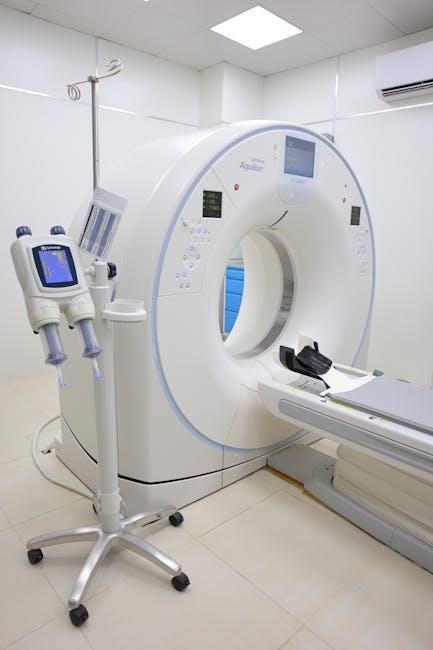
MRI-guided breast biopsy costs are generally lower in rural areas and smaller cities․ Reduced facility fees, stemming from lower operating costs and real estate values, play a key role․ While radiologist expertise remains crucial, associated fees are often more moderate․ Expect total costs potentially ranging from $1,200 to $1,800․ However, access to specialized MRI technology might be limited, potentially requiring travel to larger centers, adding to overall expenses․
VII․ Insurance Coverage for MRI-Guided Breast Biopsy
Insurance coverage for MRI-guided breast biopsies varies significantly based on your specific policy․ Understanding your deductible and co-pay amounts is crucial for estimating out-of-pocket expenses․ Many insurance providers require pre-authorization before covering the procedure, potentially delaying care if not obtained․
Coverage is typically linked to medical necessity, often requiring a physician’s order and documentation of suspicious findings․ Always verify coverage details with your insurer beforehand to avoid unexpected bills․
VII․A․ Understanding Your Policy’s Deductible and Co-pay
Your insurance policy’s deductible is the amount you pay out-of-pocket before your insurance begins to cover costs․ A higher deductible typically means lower monthly premiums, but greater upfront expenses for procedures like an MRI-guided biopsy․ The co-pay is a fixed amount you pay for each healthcare service․
Knowing both figures is vital for budgeting; biopsy costs, potentially ranging into the thousands, can quickly accumulate, especially before meeting your deductible․
VII․B․ Pre-Authorization Requirements from Your Insurance Provider
Many insurance plans require pre-authorization for MRI-guided breast biopsies to confirm medical necessity and coverage․ Failing to obtain this approval before the procedure can lead to significant out-of-pocket expenses or even denial of claims․ Contact your insurance provider to understand their specific requirements, including necessary documentation from your physician․ Proactive pre-authorization avoids unexpected financial burdens associated with this diagnostic procedure․
VIII․ Financial Assistance Options and Programs
Facing the cost of an MRI-guided breast biopsy can be daunting; fortunately, several financial assistance avenues exist․ Explore hospital financial aid programs, often offering discounted rates or payment plans based on income․ Numerous non-profit organizations dedicate resources to assist patients with medical expenses․ Researching and applying for these programs can significantly alleviate the financial strain, ensuring access to crucial diagnostic care without overwhelming debt․
VIII․A․ Hospital Financial Aid Programs
Many hospitals offer dedicated financial aid programs to assist patients struggling with medical bills, including MRI-guided breast biopsies․ These programs typically assess a patient’s income and assets to determine eligibility for discounts or payment plans․ Application processes vary, often requiring documentation of financial need․ Don’t hesitate to contact the hospital’s billing department or financial counseling services to explore available options and understand the specific requirements for assistance․
VIII․B․ Non-Profit Organizations Offering Assistance
Several non-profit organizations dedicate resources to help patients afford breast cancer screenings and diagnostic procedures like MRI-guided biopsies․ These organizations may provide financial grants, co-pay assistance, or even direct bill payment․ Researching national and local charities focused on breast health is crucial․ Organizations often have specific eligibility criteria, so carefully review their guidelines before applying for aid; Exploring these avenues can significantly alleviate the financial burden associated with necessary medical care․
IX․ The Role of MRI Technology in Breast Biopsy
MRI’s precision significantly impacts biopsy costs, justifying its higher price compared to other methods․ Utilizing strong magnetic fields and radiofrequency pulses, MRI identifies suspicious lesions often missed by mammography – a 10-20% miss rate is cited․ This advanced imaging allows for targeted biopsies, reducing the need for repeat procedures․ While MRI scan times are longer and can be affected by patient movement, its diagnostic value often outweighs these factors, influencing overall expense․
IX․A․ Principles of Magnetic Resonance Imaging (MRI)
The sophisticated principles behind MRI directly contribute to the higher cost of biopsies․ MRI leverages the magnetic properties of hydrogen atoms within the body, exciting them with radiofrequency pulses within a strong magnetic field․ This generates signals reconstructed into detailed images․ The ability to perform 3D imaging, beyond simple cross-sections, and even spectroscopy adds to the complexity – and cost – of the procedure, justifying the investment in advanced diagnostic capabilities․
IX․B․ How MRI Identifies Suspicious Breast Lesions
MRI’s superior lesion detection capabilities are a key driver of biopsy costs․ Unlike mammography, which can miss 10-20% of cancers, MRI excels at identifying subtle abnormalities․ Dynamic MRI, observing changes over time, further refines detection․ This enhanced accuracy, though increasing the initial expense, potentially reduces the need for repeat imaging or more invasive procedures later, offering long-term value despite the higher upfront cost of the scan and subsequent biopsy․
X․ Advantages of MRI-Guided Biopsy
While generally more expensive, MRI-guided biopsies offer distinct advantages impacting overall breast health costs․ Increased accuracy in detecting small or hidden cancers minimizes the risk of missed diagnoses and subsequent, costly treatments․ The minimally invasive nature reduces scarring and recovery time, potentially lowering follow-up care expenses․ Though the initial procedure cost is higher, these benefits can translate to long-term financial savings by enabling earlier, more effective intervention․
X․A․ Increased Accuracy in Detecting Small or Hidden Cancers
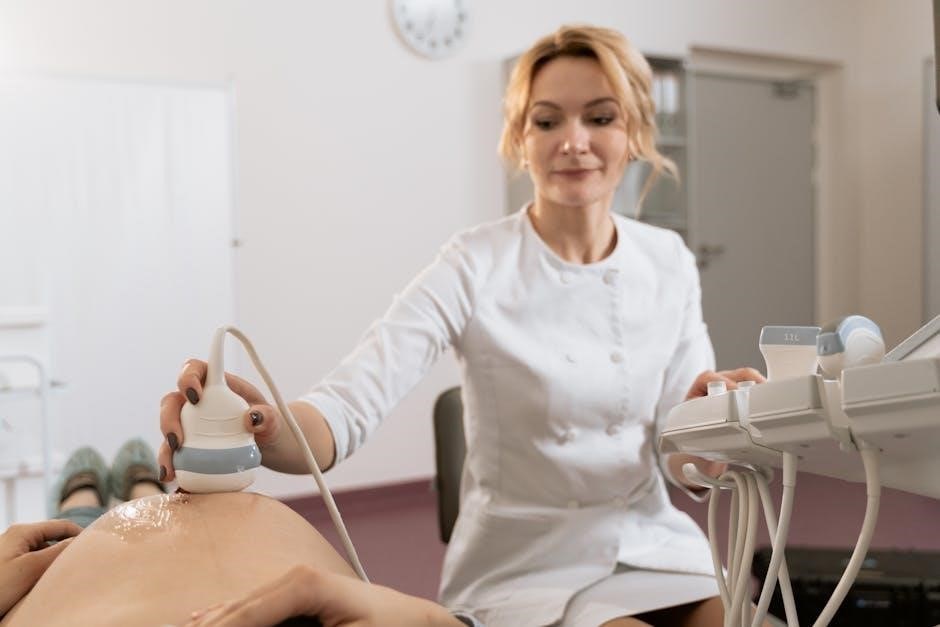
Higher accuracy directly impacts cost-effectiveness, despite the initially higher price of an MRI-guided biopsy․ Studies indicate mammography can miss 10-20% of breast cancers․ Detecting these smaller, hidden cancers early reduces the need for extensive, expensive treatments like chemotherapy or more aggressive surgeries later․ While a standard biopsy might be cheaper upfront, the potential cost of a missed diagnosis far outweighs this difference, making MRI a valuable investment in long-term health and financial wellbeing․
X․B․ Minimally Invasive Procedure with Reduced Scarring
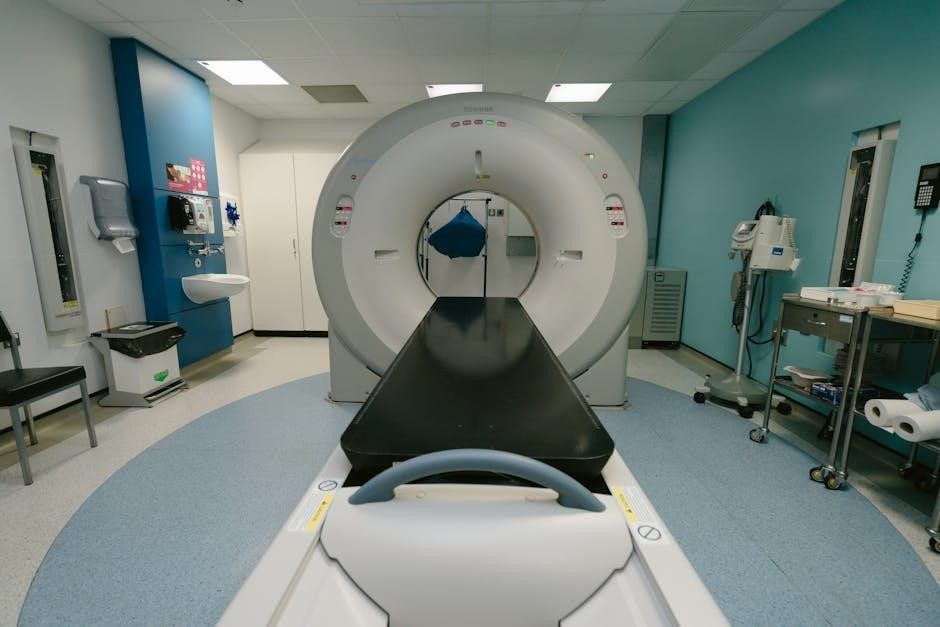
The minimally invasive nature of MRI-guided biopsies can indirectly affect costs by reducing recovery time and potential complications․ Less downtime translates to fewer follow-up appointments and a quicker return to work․ Reduced scarring minimizes the risk of complications requiring further medical intervention, avoiding additional expenses․ While the initial procedure cost remains, the decreased likelihood of prolonged care contributes to overall cost savings compared to more invasive surgical biopsy options․
XI; Potential Risks and Complications
While generally safe, potential risks like bleeding and infection can increase the overall cost of an MRI-guided breast biopsy․ Addressing these complications necessitates additional medical attention, potentially including antibiotics, wound care, or even re-biopsy procedures․ False negative results, though rare, may require follow-up imaging and biopsies, adding to expenses․ Contingency planning for these possibilities should be factored into the anticipated financial burden, alongside the initial procedure cost․
XI․A․ Bleeding and Infection Risks
Minor bleeding at the biopsy site is common, but significant hemorrhage is rare, potentially requiring intervention and increasing costs․ Infection, though infrequent, necessitates antibiotic treatment, adding to the financial impact․ Addressing either complication involves follow-up appointments, potential imaging to assess the site, and medication expenses․ These unforeseen costs should be considered when budgeting for the procedure, alongside the initial MRI-guided biopsy fee, as they can substantially elevate the total expense․
XI․B․ False Negative Results and the Need for Follow-Up
Although MRI-guided biopsies are highly accurate, false negatives can occur, necessitating repeat imaging and potentially further biopsies․ This follow-up care significantly increases the overall cost, including additional MRI scans, consultation fees, and the expense of subsequent procedures․ Delayed diagnosis due to a false negative can also lead to more extensive – and costly – treatment if cancer progresses․ Budgeting for potential repeat evaluations is crucial when considering the total financial burden․
XII․ Alternatives to MRI-Guided Breast Biopsy
Core needle biopsies and incisional biopsies represent less expensive alternatives, though potentially with lower accuracy in certain cases․ Core needle biopsies generally cost less than MRI-guided procedures, often ranging from $200 to $800․ Incisional biopsies, involving a surgical incision, fall in a similar price range․ Choosing an alternative impacts the total cost, but may necessitate additional imaging if initial results are inconclusive, potentially negating initial savings․
XII․A․ Core Needle Biopsy
A core needle biopsy typically costs between $200 and $800, making it a more affordable option than MRI-guided procedures․ This method uses a larger needle to extract tissue samples, guided by imaging like ultrasound․ While generally less expensive, it may be less accurate for small or hidden lesions․ Facility fees and radiologist costs contribute to the overall expense, but are usually lower than those associated with MRI․ Insurance coverage is generally similar to MRI biopsies․
XII․B․ Incisional Biopsy
An incisional biopsy, involving surgical removal of a breast tissue sample, generally ranges from $500 to $1,500 in cost․ This procedure is more invasive than core needle biopsies or MRI-guided options, leading to higher facility and surgeon fees․ Anesthesia costs also contribute significantly․ While providing larger tissue samples, it results in scarring and a longer recovery period․ Insurance coverage mirrors other biopsy types, but pre-authorization is often required due to the surgical nature of the procedure․
XIII․ The Importance of Choosing an Experienced Radiologist
Selecting an experienced radiologist directly impacts both the accuracy and potential cost of an MRI-guided breast biopsy․ Expertise minimizes the need for repeat biopsies due to inaccurate initial sampling, saving on subsequent expenses․ Highly skilled radiologists often command higher fees – typically $200-$500 – but their precision reduces complications and ensures a definitive diagnosis․ Prioritize board certification and a proven track record when choosing a provider, as this investment can prevent costly errors and delays in treatment․
XIV․ Questions to Ask Your Doctor Before the Procedure
Proactively discussing costs with your doctor is crucial before an MRI-guided breast biopsy․ Inquire about the total estimated expense, including facility fees, radiologist charges, and potential anesthesia costs․ Ask if the facility offers financial aid programs or payment plans; Confirm whether pre-authorization is required from your insurance provider to avoid unexpected bills․ Understanding the complete financial picture empowers informed decisions and prevents unwelcome surprises regarding the overall biopsy expenditure․
XV․ Understanding the Pathology Report
While the pathology report itself doesn’t directly reflect the biopsy’s cost, understanding its findings can influence follow-up care – and associated expenses․ A definitive diagnosis may necessitate further imaging (like CT scans, as sometimes recommended alongside MRI) or additional procedures, impacting your overall breast health budget․ Discussing the report’s implications with your doctor clarifies potential future costs related to treatment or ongoing monitoring, ensuring financial preparedness․
XVI; Cost Comparison: MRI vs․ CT Scans for Breast Evaluation
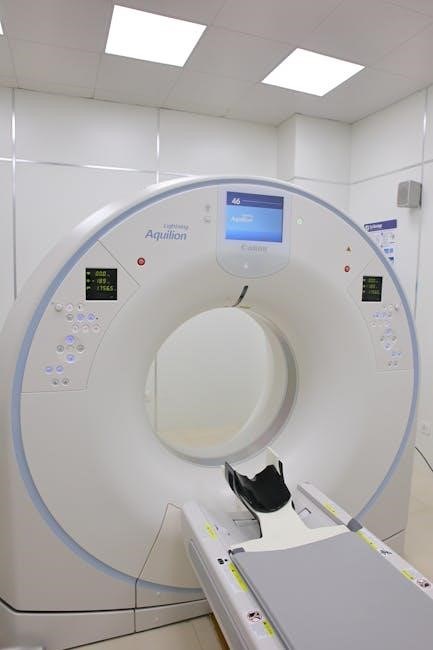
Generally, MRI scans are more expensive than CT scans for breast evaluation, reflecting longer scan times and more complex technology․ While CT offers faster imaging – crucial for some – MRI provides superior detail, particularly for dense breast tissue․ However, a doctor might recommend both; the combined cost then increases significantly․ Considering the potential for needing both modalities impacts the overall financial burden of diagnosis and monitoring, influencing budgeting for breast health․
XVII․ The Impact of Breast Density on Biopsy Recommendations
Higher breast density can obscure findings on mammograms, increasing the likelihood of needing further investigation like MRI-guided biopsies․ This directly impacts cost, as MRI is generally more expensive than initial screening methods․ Dense breasts may necessitate more frequent or advanced imaging, leading to cumulative expenses․ Consequently, women with dense breasts should discuss personalized screening plans with their doctors, factoring in potential biopsy costs and insurance coverage details․
XVIII․ Dynamic MRI and its Influence on Biopsy Decisions
Dynamic MRI, involving time-based scans, offers a more detailed assessment of breast lesions, potentially influencing biopsy recommendations and, consequently, costs․ While providing greater diagnostic value than CT scans in many cases, dynamic MRI’s longer scan times and susceptibility to motion can affect image quality, potentially requiring repeat scans․ This impacts the overall expense, as each scan adds to the total cost of evaluation and potential biopsy procedures․
XIX․ MRI Coil Technology and Image Quality
The MRI coil, a critical component for receiving and transmitting radiofrequency signals, directly impacts image quality and, therefore, the accuracy of biopsy decisions․ Higher quality imaging, achieved with advanced coil technology, can reduce the need for repeat scans or additional diagnostic procedures․ However, these sophisticated coils contribute to higher facility costs, ultimately influencing the overall expense of an MRI-guided breast biopsy․ Clearer images can also streamline the biopsy process itself․
XX․ Safety Considerations for MRI Scans (Metal Implants, etc․)
Prior to an MRI-guided breast biopsy, thorough screening for metal implants is essential, potentially adding to pre-procedure consultation costs․ Assessing implant compatibility can require additional imaging or specialist review, impacting the total expense․ While generally safe, the need for careful evaluation adds a layer of complexity․ Failing to disclose implants could lead to scan delays or complications, incurring further costs․ Ensuring patient safety is paramount, even if it affects the bottom line․
XXI․ Maintaining Calm During the Scan for Optimal Image Quality
Patient movement during an MRI scan can compromise image clarity, potentially necessitating repeat scans and increasing overall costs․ The longer scan times associated with MRI, compared to CT, heighten the risk of motion artifacts․ While not a direct cost, re-scans add to facility and radiologist fees․ Pre-biopsy counseling to manage anxiety and ensure patient cooperation can be considered a preventative cost measure, ultimately improving diagnostic accuracy and avoiding unnecessary expenses․
XXII․ The Future of MRI-Guided Breast Biopsy: Emerging Technologies
Advancements in MRI coil technology promise improved image quality and potentially shorter scan times, which could influence costs․ Faster scans may reduce facility fees and radiologist time․ Dynamic MRI, offering more detailed lesion characterization, might refine biopsy targeting, decreasing false negatives and repeat procedures – a long-term cost benefit․ While initial investment in these technologies is substantial, they may ultimately lead to more efficient and cost-effective breast biopsy procedures․
XXIII․ Preparing for the Financial Aspect of Breast Health
Understanding potential costs is crucial; MRI-guided biopsies can range significantly in price․ Proactive financial planning involves verifying insurance coverage, understanding deductibles and co-pays, and exploring hospital financial aid programs or non-profit assistance․ Given regional cost variations, obtaining upfront estimates from facilities is vital․ Considering the potential for follow-up imaging or additional procedures, budgeting beyond the initial biopsy cost is prudent for comprehensive breast health management․
XXIV․ Resources for Further Information and Support
Navigating breast health finances can be complex; numerous resources offer guidance․ Hospital billing departments can clarify cost breakdowns and payment options․ Insurance providers detail coverage specifics and pre-authorization processes․ Organizations like the American Cancer Society and National Breast Cancer Foundation provide financial assistance information․ Online cost comparison tools and patient advocacy groups can also empower informed decision-making regarding MRI-guided biopsy expenses and overall breast care affordability․